How To Get The Most Out Of Your Npk Fertilizer
Introduction
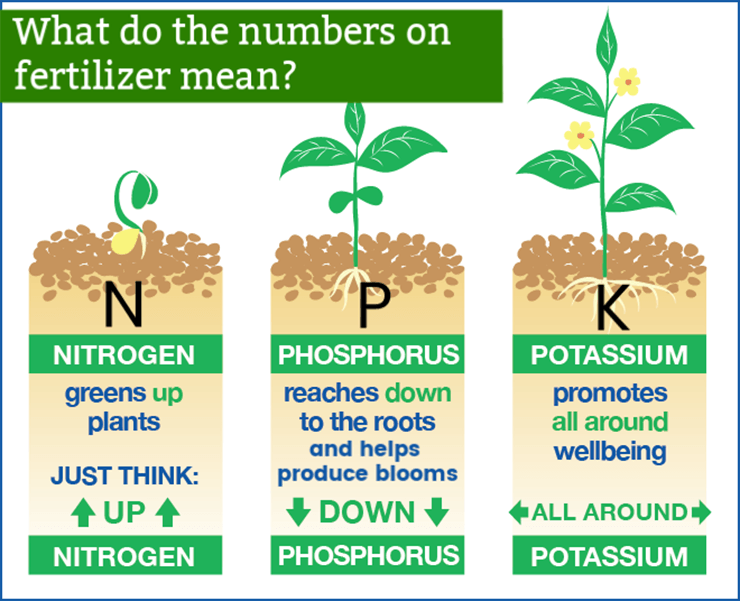
NPK fertilizer is a common type of fertilizer that is used to help plants grow healthy and strong. The letters N, P, and K stand for nitrogen, phosphorus, and potassium, which are the three main nutrients that plants need to thrive. The NPK ratio on a fertilizer label tells you the relative amounts of these nutrients that are in the fertilizer. For example, a fertilizer with an NPK ratio of 10-10-10 contains equal amounts of nitrogen, phosphorus, and potassium.
Fertilizer is essential for plant growth, but it's important to use it correctly to get the most out of it. Over-fertilizing can actually damage plants, so it's important to follow the instructions on the fertilizer label carefully.
In this blog post, we'll discuss how to get the most out of your NPK fertilizer. We'll cover everything from choosing the right fertilizer for your plants to applying it correctly. By following these tips, you can help your plants grow healthy and strong all season long.
Choosing the Right Fertilizer
The first step to getting the most out of your NPK fertilizer is to choose the right fertilizer for your plants. There are many different types of NPK fertilizers available, so it's important to find one that is specifically designed for the type of plants you are growing.
For example, if you are growing vegetables, you will need a fertilizer that is high in nitrogen. This is because nitrogen helps plants produce leaves and stems. If you are growing flowers, you will need a fertilizer that is high in phosphorus. This is because phosphorus helps plants produce roots and flowers.
You can also find fertilizers that are specifically designed for certain types of soil. For example, if you have sandy soil, you will need a fertilizer that is high in potassium. This is because potassium helps plants retain moisture in sandy soil.
Applying NPK Fertilizer
Once you have chosen the right fertilizer for your plants, it's important to apply it correctly. The best time to apply fertilizer is in the spring or fall, when plants are actively growing.
To apply fertilizer, simply spread it evenly over the soil around your plants. Be sure to follow the instructions on the fertilizer label carefully. Over-fertilizing can actually damage plants, so it's important not to apply too much fertilizer.
You can also apply fertilizer to your plants by watering them with a fertilizer solution. To make a fertilizer solution, simply mix the fertilizer according to the instructions on the label and then add it to water. Water your plants with the fertilizer solution as you normally would.
Fertilizing Frequency
The frequency with which you need to fertilize your plants will depend on the type of plants you are growing and the type of soil you have. In general, you will need to fertilize your plants every few weeks during the growing season.
If you are growing plants in sandy soil, you may need to fertilize them more often. If you are growing plants in clay soil, you may need to fertilize them less often.
Troubleshooting
If you notice that your plants are not growing as well as they should, it may be a sign that they need more fertilizer. However, it's important to rule out other possible problems before you start fertilizing your plants.
Some other possible problems that can affect plant growth include:
- Lack of sunlight
- Lack of water
- Pests
- Diseases
If you have ruled out other possible problems and you still think that your plants need more fertilizer, you can try increasing the frequency of fertilization or using a fertilizer with a higher NPK ratio.
Conclusion
By following these tips, you can help your plants grow healthy and strong all season long. By choosing the right fertilizer for your plants, applying it correctly, and fertilizing them at the right frequency, you can give your plants the nutrients they need to thrive.
NPK is a fertilizer that is essential for plant growth. It stands for nitrogen, phosphorus, and potassium, which are the three main nutrients that plants need. The NPK ratio tells you the relative amounts of these nutrients in the fertilizer. For example, a fertilizer with an NPK ratio of 10-10-10 contains equal amounts of nitrogen, phosphorus, and potassium.
If you are looking for more information about NPK, please visit Home Gardening. This website has a wealth of information about NPK, including what it is, how it works, and how to use it. You can also find a variety of NPK fertilizers for sale on the website.
FAQ of npk
- What is NPK fertilizer?
NPK fertilizer is a type of fertilizer that contains three essential nutrients for plant growth: nitrogen (N), phosphorus (P), and potassium (K). The numbers on an NPK fertilizer label indicate the percentage of each nutrient that is present in the fertilizer. For example, an NPK fertilizer with a label of 10-10-10 contains 10% nitrogen, 10% phosphorus, and 10% potassium.
- What do the letters NPK stand for?
The letters NPK stand for nitrogen, phosphorus, and potassium. Nitrogen is responsible for the growth of leaves and stems. Phosphorus is responsible for the growth of roots and flowers. Potassium is responsible for the overall health of the plant and its resistance to pests and diseases.
- What are the different types of NPK fertilizers?
There are many different types of NPK fertilizers available, each with a different ratio of nitrogen, phosphorus, and potassium. Some common types of NPK fertilizers include:
* Balanced fertilizers: These fertilizers have equal amounts of nitrogen, phosphorus, and potassium.
* Nitrogen-rich fertilizers: These fertilizers have a higher percentage of nitrogen than phosphorus and potassium. They are often used for plants that need a lot of foliage growth, such as leafy greens and vegetables.
* Phosphorus-rich fertilizers: These fertilizers have a higher percentage of phosphorus than nitrogen and potassium. They are often used for plants that need to flower or fruit, such as tomatoes and roses.
* Potassium-rich fertilizers: These fertilizers have a higher percentage of potassium than nitrogen and phosphorus. They are often used for plants that need to resist pests and diseases, such as potatoes and corn.
- How often should I fertilize my plants with NPK fertilizer?
The frequency with which you need to fertilize your plants with NPK fertilizer will depend on the type of plant, the soil quality, and the climate. In general, you should fertilize your plants every few weeks during the growing season. However, you may need to fertilize more often if your plants are growing in poor soil or if you live in a hot, dry climate.
- How much NPK fertilizer should I use?
The amount of NPK fertilizer you should use will depend on the size of your plants and the type of fertilizer you are using. It is important to follow the instructions on the fertilizer label carefully. Over-fertilizing your plants can be harmful, so it is always better to err on the side of caution.
- What are the benefits of using NPK fertilizer?
NPK fertilizer can help your plants grow healthier and stronger. It can also help your plants produce more flowers and fruits. Additionally, NPK fertilizer can help your plants resist pests and diseases.
- Are there any risks associated with using NPK fertilizer?
Yes, there are some risks associated with using NPK fertilizer. Over-fertilizing your plants can damage their roots and leaves. Additionally, NPK fertilizer can pollute waterways if it is not used properly. It is important to follow the instructions on the fertilizer label carefully and to dispose of excess fertilizer properly.
Image of npk
10 different images of NPK that are free to use:
- Nitrogen (N): A white powder or liquid that is essential for plant growth. It promotes leaf and stem growth.
- Phosphorus (P): A reddish-brown powder or liquid that is essential for plant root growth and flowering.
- Potassium (K): A white or gray powder or liquid that is essential for plant water retention and disease resistance.

- NPK fertilizer with a 3-1-2 ratio: This fertilizer contains 3 parts nitrogen, 1 part phosphorus, and 2 parts potassium. It is a balanced fertilizer that can be used for most plants.

- NPK fertilizer with a 10-10-10 ratio: This fertilizer contains 10 parts nitrogen, 10 parts phosphorus, and 10 parts potassium. It is a high-nitrogen fertilizer that can be used for plants that need a lot of nitrogen, such as vegetables and flowers.

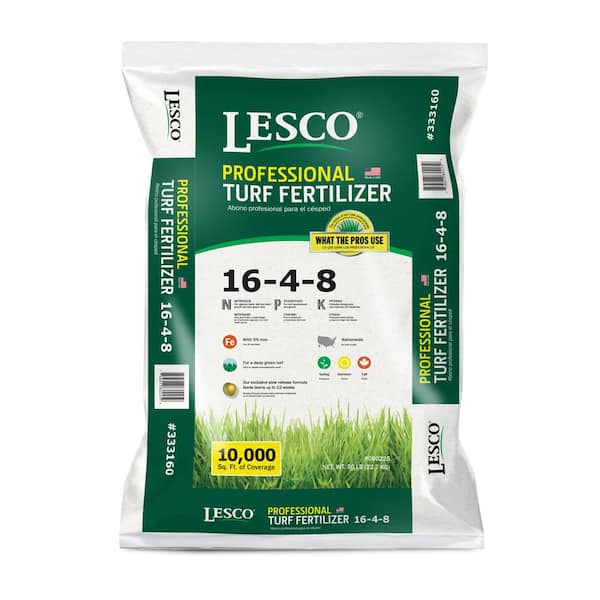
- NPK fertilizer with a 16-4-8 ratio: This fertilizer contains 16 parts nitrogen, 4 parts phosphorus, and 8 parts potassium. It is a high-nitrogen, high-potassium fertilizer that can be used for plants that need a lot of both nutrients, such as fruits and vegetables.
- NPK fertilizer with a 0-20-20 ratio: This fertilizer contains 0 parts nitrogen, 20 parts phosphorus, and 20 parts potassium. It is a high-phosphorus, high-potassium fertilizer that can be used for plants that need a lot of phosphorus and potassium, such as roses and tomatoes.
- NPK fertilizer with a 10-52-10 ratio: This fertilizer contains 10 parts nitrogen, 52 parts phosphorus, and 10 parts potassium. It is a high-phosphorus fertilizer that can be used for plants that need a lot of phosphorus, such as evergreens and bulbs.

- NPK fertilizer with a 0-0-60 ratio: This fertilizer contains 0 parts nitrogen, 0 parts phosphorus, and 60 parts potassium. It is a high-potassium fertilizer that can be used for plants that need a lot of potassium, such as citrus fruits and eggplants.
- NPK fertilizer with a 5-10-10 ratio: This fertilizer contains 5 parts nitrogen, 10 parts phosphorus, and 10 parts potassium. It is a balanced fertilizer that can be used for most plants.


Post a Comment for "How To Get The Most Out Of Your Npk Fertilizer"